Thursday, 24 May 2012

Whiplash

Background

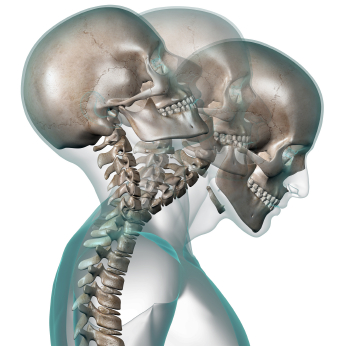
Whiplash is a condition resulting from an acceleration-deceleration transfer of energy to the neck. Automobile accidents, sports injuries and occupational mishaps are events that can cause this injury.

Symptoms: Whiplash may result in boney, muscle, nerve and other soft-tissue injuries. Whiplash-associated disorders (WAD) may include pain and numbness, muscle spasm, dizziness, headaches, and social & psychological issues. This condition can vary from mild to severe.

Research has shown that, with proper guidance, early return to work enhances recovery and reduces the risk of long-term disability.


Treatment

Registered Massage Therapists may help:

* decrease muscle spasm and pain
* restore range of motion
* improve muscle strength and endurance
* reduce headaches
* improve function and return to activity

Research

Bone and Joint Decade 2000-2010 Task Force on Neck Pain and Its Associated Disorders (Neck Pain Task Force)

Key Findings:

Best evidence synthesis suggests that therapies involving manual therapy and exercise are more effective than alternate strategies for patients with neck pain.

Exercise training, mobilization and acupuncture are more effective in the short term than conventional medical care or "usual care."

A number of alternative and complementary medicine interventions have more evidence of efficacy than conventional medical care.

(Recommendations described are the result of over 6 years of literature review, research, and discussion by a multidisciplinary Scientific Secretariat, supported by an international and multidisciplinary Advisory Committee. The Neck Pain Task Force considered almost 32,000 research citations and performed critical appraisals of the more than 1,000 research students that were relevant to its mandate.)

Visit www.massagetherapy.bc.ca for more information.


Read our informative blog on ICBC Claims should you need to book an appointment and have questions about your claim and coverage.

Wednesday, 23 May 2012

BC Children's Hospital Miracle Weekend & ChildRun


Th 25th annual BC Children's Hospital Miracle Weekend is a televised two-day celebration, which showcases the best of BC Children's Hospital, including patients their families, caregivers and supporters from every corner of BC.

To watch the live broadcasting, tune in on Saturday, June 2nd from 7pm to 5:30pm on Sunday, June 3rd, on Global BC. 

During the Miracle Weekend in 2011, $17,886,339 was raised for BC Children's Hospital, which set a new record!

How to get involved 

April 26th -> in support of Jeans Day, buy a button
May 27-29 -> Put together and join the Slo-Pitch Tournament
June 3 -> Take part as a family, school team, or corporate team for the ChildRun

Fundraising Ideas

1. Ask friends and family to donate to BC Children's Hospital rather than receiving birthday presents.
2. Hold a car wash when the weather warms up
3. Hold a yard sale.
4. Kids can offer to walk dogs for neighbors and can donate to BC Children's Hospital
5. Host a bottle drive
6. Host a fundraising dinner party in lieu of dinner plates
7. Organize a talent show with family and friends with an entrance-by-donation
8. Hold a pub night fundraiser


What is ChildRun?
ChildRun is the largest family fun run in Vancouver. The ChildRun inspires participants to raise funds for childhood cancer research treatment areas in BC Children's Hospital.

The 27th annual ChildRun will be held on Sunday, June 3rd, 2012. 

Walkers and runners will be hosted by the Wilson Family on a scenic 5 km route from Queen Elizabeth Park or the Thrifty Foods 1km Fun Run, which will be followed by a carnival celebration!

Click HERE to register.

To donate to BC Children's Hospital's ChildRun, please click HERE or HERE.

Photos and Information Sources:
BC Children's Hospital Foundation 

Cancer

Background

Cancer is a disease in which cells of an organ or tissue fail to respond to normal control mechanisms, growing and multiplying out of control.

Massage therapy is increasingly being included in treatment programs for cancer patients at clinics and hospitals around the world.

Current studies are showing beneficial effects of massage therapy, not for the treatment of the disease, but as an aid in enhancing quality of life.

Treatment

Registered Massage Therapists may help:

* increase general well-being
* lessen anxiety and stress
* lessen nausea, insomnia & depression
* support immune function
* manage symptoms of lymphedema


Precaution: RMTs avoid massage therapy directly over known tumors and sites where metastasis may be predicted. Particular caution is exercised in patients with boney metastases, who may be from to fracture. Currently, no evidence indicates that massage therapy promotes tumor metastasis.


Research

Meaningful relief from cancer by massage therapy

Eight female cancer patients were given massage for 10 consecutive days and then interviewed using phenomenology as a theoretical framework. The massage contributed to the development of a positive relationship with the patients, to feeling strong, and to balance between autonomy and dependence. The findings of this study can be of use to health care professionals as it shows that the relatively short period of a massage can result in physical and emotional benefits for cancer patients.
(Billhult A, Dahlberg K, Cancer Nurs. 2001 June;24(3):180-4.)

Safety and efficacy of massage therapy for patients with cancer

Conventional care for patients with cancer can safely incorporate massage therapy, although cancer patients may be at higher risk of rare adverse events. The strongest evidence for benefits of massage is for stress and anxiety reduction, although research for pain control and management of other symptoms common to patients with cancer, including pain, is promising. The oncologist should feel comfortable discussing massage therapy with patients and be able to refer patients to a qualified massage therapist as appropriate.
(Corbin L, J Psychosom Res 2004 Jul;57(1):45-52)

Visit www.massagetherapy.bc.ca for more information.

Feel free to also read our informative blog on Acupuncture & Cancer Care.

Thursday, 17 May 2012

TMJ

TMJ stands for temporomandibular joint, which causes acute or chronic pain in the jaw, that is connected to the mandible and to the skull. There are numerous treatment options.

The many symptoms associated with TMJ disorders may be:
* Tinnitus (ringing in one or both ears)
* Headache (normally in the evening)
* Earache (normally in the morning)
* Discomfort in biting or chewing
* Pain in the face
* Migraine (normally in the morning)
* Reduced ability to open or close the mouth
* Loss of hearing
* Dizziness
* Clicking or popping sound when opening the mouth
* Neck and/or shoulder pain

Each TMJ has 2 joints, which is why the jaw is able to rotate and "slide" (translate). Although clicking is common, pain is the most biggest factor when diagnosing TMJ.

The following are some external factors that may or may not cause TMJ:
* Myofascial pain syndrome
* Mal-alignment (due to orthodontic treatments, crowns, genetics, etc.)
* Trauma (such as sports related, whiplash from motor vehicle accidents, chin injuries, etc.)
* Thrusting of the jaw
* Clenching from stress or anger
* Osteoarthritis (degenerative joint disease)
* Eating very hard foods, chewing gum excessively, and nail biting
* Bruxism (clenching or grinding of teeth which is done unconsciously at night)
* Lack of overbite
* Exaggerated opening of the mouth
Treatment

There are many different options to take to treat TMJ, one is surgery. Usually surgery is taken into consideration when other means of healing have not been successful.

The following are holistic and non-surgical methods to treat a TMJ disorder:

* Acupuncture - has been effectively proven to reduce the pain associated with TMJ. Acupuncture treatments do prevent further complications, although, depending on how mild or severe your pain and disorder may be, it may take 6 treatments or more to correct the problem.

* Chiropractic Care - can ease pain by correcting the misalignment between the spine and nervous system. Adjustments can be done by hand to the joints, by using a technique that causes a small stretch inside the joint to release any fibrous attachments made by any previous trauma.

* Massage Therapy - mainly focus on the reduction of tension in the chewing (masticatory) muscles. Registered massage therapists follow many techniques when treating TMJ disorders, such as, neuromuscular therapy, cranial-sacral therapy, swedish massage, post-isometric relaxation, and acupressure.

All forms of treatment are safe and effective.

Should you have specific concerns about treatments, please do not hesitate to contact the office, and speak to one of our professionals.

Sources:
http://www.altmd.com
http://en.wikipedia.org/wiki/Temporomandibular_joint_disorder

National Women's Health Week


It is of the utmost importance for women to get regular check ups, annual check ups and screenings done.

What better week to remember getting your screenings done, than during National Women's Health Week!?

For different age ranges, there are different tests that are necessary and/or only necessary if advised by your doctor.

We all need healthy women in our lives, whether they are our wives, daughters, mothers, grandmothers, colleagues. Although the health of men is as important, this is National Women's Health week!

There are no events being held in Canada for Women's Health Week, but Canada does celebrate National Women's day, which was held the week of March 8, 2012

The many important tests to highly take into consideration, or literally have an appointment booked because it is your health we are talking about, are as follows:

* Breast Health
* Bone Health
* Diabetes
* Heart Health
* Colorectal Health
* Sexual Health
* Reproductive Health

Now with the above mentioned, you will need to check with your age range, in order to know which tests are important.

* Ages 18 to 39
- It is not necessary to take the Bone Health, Colorectal Health or Breast Health tests, unless your health care provider advises.
- The next time you visit your doctor, and he tells you that your blood pressure is higher than 135/85, or if you are already on high blood pressure medication, then it would be best to get checked for Diabetes.
- It is important to get tested for Gonorrhea, Syphilis, Chlamydia, and HIV to make sure you have good Sexual Health.
- Having your blood pressure tested and your cholesterol level checked to maintain a Healthy Heart is ideal.
- For your Reproductive Health, it is very important to get a PAP test every 3 years, if you are sexually active and should you be 21 years or older.

Click if you are pregnant or trying to conceive.
Click HERE for FAQ's if you are pregnant.
Click for information on Acupuncture and Fertility.

* Ages 40 to 49
- It is not necessary to take the Bone Health or the Colorectal Health unless your health care provider advises.
- It is best to discuss with your doctor about your Breast Health, should you have questions or concerns, and to possibly have a mammogram appointment made.
- To know if you have good Heart Health, it is best to have your blood pressure checked every 2 years if your blood pressure is lower than 120/80 or once a year if your blood pressure is higher than 120/80. If you are at an increased risk of developing heart disease, it is best to get your cholesterol checked regularly, by your doctor.
- It is important to get tested for Gonorrhea, Syphilis, Chlamydia and HIV to check your Sexual Health, whether you are pregnant or not.
- Should your blood pressure be above 135/85, or if you take blood pressure medicine, it would be a good idea to have a Diabetes test done.
- You should have a cervical cancer screening, in other words, a PAP test, if you are sexually active, for your Reproductive Health, every 3 years.

As women get older, there are many more tests to take into consideration.

* Ages 50 to 64
- It is important to have a PAP test done, for your Reproductive Health, every 3 years.
- Follow the same advice for the 40 to 49 age range when it comes to Diabetes, Heart Health, Reproductive Health, and Sexual Health.
- Between this age, it is best to speak with your health care provider about Bone Health, to know your risks for osteoporosis.
- At age 50, it is best to get screened for Colorectal cancer.
- It is best to get a mammogram done, at the age of 50, and get screened every 2 years for Breast cancer.

Click HERE for more information on osteoporosis.
Click HERE for holistic care for cancer patients.

* Ages 65 and older
- Follow the same procedure stated for the 40 to 49 age range for your Heart Health, Diabetes, and Sexual Health.
- You may speak with your doctor and ask if it is necessary to have a PAP test done for your Reproductive Health.
- Consider having a mammogram screening done every 2 years until the age of 74 for Breast Health.
- You should have a Bone density test done at least once, and ask your family doctor if you need to have any more.
- Through the age of 75, it is a good idea to have a Colorectal screening done for any traces of cancer.

If you do not fall into any of the age categories and do have concerns, please do not hesitate to speak with your family doctor.


You should remember to keep active, eat healthy get enough sleep, manage stress, and avoid bad habits, such as smoking and not wearing a seat belt. 

To print a Screening Chart, please click the following link: Womens Screening Chart


Information provided by http://www.womenshealth.gov/whw/

Wednesday, 16 May 2012

Depression and Holistic Health Care

Depression
Depression is a state of low mood which can affect a persons thoughts, dreams, behaviour, physical well-being and feelings. Being depressed can make a person feel sad, lonely, empty, anxious, worthless, guilty, restless, helpless, or irritable. They may lose interest in activities, such as sports, exercise, loss of appetite or overeating, sleeping, concentration problems, and may even begin to contemplate or attempt suicide.

Depression can be caused from numerous things, but one main factor is stress.

Many people are depressed due to health, bills, family, work, and all the stress that piles on top of everything else.

Taking medications, such as antidepressants can be taken into consideration or may be necessary, but do you really want to fill your system up with medicine when you can take the holistic road to recovery?

Acupuncture
Traditional Chinese Medicine (TCM) doesn't recognize depression as a particular illness, however, it aims to treat specific symptoms. Fine needles are inserted along various points of the body which stimulates the blood flow of energy and functionality, that is known as Qi.

To have any questions answered, please call the office to speak with our amazing acupuncturist, Dr. Richard Zhang.

Chiropractic Care
Chiropractic care during a depressed state, offers relaxation and relief. Although chiropractic care may not be enough for severe depression, it can help with minor depression due to chronic pain.

Our chiropractor, Dr. Jag Sandhu, can answer questions or concerns that you have. To book a free consultation please give the office a call.

Massage Therapy
Massage therapy is one of the most oldest forms of treatment for depression, just like acupuncture and chiropractic care. Regular massage therapy provides relaxation and relief to your body, in which you will literally feel relaxed, and not feel as stressed as a person who does not turn to massage therapy as a form of health care will feel.

Many studies have shown that massage therapy can decrease in depressed moods, anxiety levels and stress hormones.


Our Registered Massage Therapists, Lisa Fershau, Brittany Rolleman, Marie Grohmueller and Abby Janzen, are qualified and highly experienced. To book a consultation or massage treatment, please give the office a call and feel free to speak to one of our highly trained registered massage therapists to answer any questions you may have.

Contact
Should you feel that you are suffering from depression and do not want to be put on any antidepressants, and you have seen a psychiatrist and have suggested to try something different, then please do give the office a call at 604-850-2511, to book an appointment and feel relaxed, and feel stress being lifted off your shoulders.

It is fundamental to take care of yourself in order to be able to take care of others. Your health is just as important as everyone else because you deserve it.

Tuesday, 15 May 2012

May is National Osteoporosis Awareness & Prevention Month

What is Osteoporosis and does it affect anyone and everyone?
Osteoporosis is common and is a medical condition in which the bones start to deteriorate, becoming weak and easily breakable. An accidental fall can cause a hip to break, or in serious cases, even something as small as a sneeze may cause a bone to break. In America, about 10 million people suffer from the condition, and even more are at risk. Breaking a bone is very serious and even more serious when you're older.

About half of women who are 50 years of age and older are more at risk to break a bone. In men, the risk is at 1 in 4 men.

Breaking a bone is very serious and extremely painful. Many bones are breakable, but due to osteoporosis, the breaks will most likely occur in the hip, wrist, and spine. When the bones of the spine start to collapse, you may notice that your posture has changed and you are possibly now hunched or stooped. It has been stated that 20% of seniors who break a bone have passed away in the next year due to problems related to the broken bone or from repairable surgery.

Thankfully a bone mineral density test can tell if you have weak bones.

How will my doctor detect and diagnose Osteoporosis?
You doctor will suggest for you to take different tests, in order to fully determine if you are suffering from osteoporosis. Although osteoporosis is not curable, it is treatable.

The following steps (may take one or all steps) will help determine your risk of breaking a bone:
- Bone Density Test
- Physical Examination
- Medical History
- Laboratory Test
- Frax® Score

Depending on your test results, you may may need to take additional tests, such as:
- Bone Scans
- X-Rays
- Vertebral Fracture Assessments (VFAs)

Bone Density Test
This is the only test that can diagnose osteoporosis before breaking a bone occurs. The purpose for this test is to estimate the density in your bones and also your chance of breaking any bones.

Physical Examination
If you are over 50 years old, you should have your height measured annually, without any shoes on, in order to determine any height loss or curvature of your spine. This should be done at the same healthcare providers office each time for accuracy.

Medical History
Your healthcare provider will take a look at the following factors in order to better understand your risk:
- Age
- Gender
- Personal history of any broken bones as an adult
- Family history of and broken bones and osteoporosis
- Exercise and physical habits, which includes your Vitamin D and Calcium intake
- Eating disorders, such as anorexia
- Regular periods (premenopausal women)
- Menopausal women (if applicable)
- Tobacco and alcohol consumption
- Any medication that may cause bone loss
- Testosterone levels (men)

Laboratory Test
Tests from the laboratory, including blood and urine can be used to identify possible bone loss, such as:
- 24-hour calcium measurement
- Blood calcium levels
- Vitamin D - to check if the body has enough
- Parathyroid hormone test
- thyroid function test
- Biochemical marker tests (NTX and CTX)

Frax® Score
Frax stands for Fracture Risk Assessment, which is a test done to show osteopenia, which is low bone density. This specific test can estimate your chance of breaking a bone for the next 10 years, which would make it easier to decide if you should be taking osteoporosis medication.

The following 3 conditions can be used to guide decisions about treatment in people:
- People with low bone density (osteopenia)
- People who have not taken osteoporosis medicine
- Postmenopausal women or men, 50 years of age or older

Treatment
After reviewing your results, your healthcare provider can develop a protection plan for your bones. You can take further steps to slow down or stop bone loss, if you have already broken a bone due to osteoporosis. Many people are on osteoporosis medication.

Prevention
Your Vitamin D and Calcium intake is very important, on a daily basis, in order to maintain healthy and strong bones, also including regular exercise. Of course eating vegetables and fruits are also healthy for your bones.

Eating poorly, smoking, drinking too much alcohol and not exercising can cause bone loss and osteoporosis.

Remember that you can live well with osteoporosis!

For more information on osteoporosis, please visit the National Osteoporosis Foundation.

Information provided by the National Osteoporosis Foundation at http://www.nof.org/home . 

Monday, 14 May 2012

ICBC CLAIMS

Have you been in a recent motor vehicle accident?
Have you filed a claim with ICBC? 
If so, and you have an active claim, our office can help you!

At our clinic, we can directly bill for Massage Therapy and Chiropractic care on active ICBC claims.  If you are suffering from an injury caused by a motor vehicle accident (MVA), call now to book your appointment.  When booking your appointment, please have the following information ready:

  • ICBC claim number
  • Adjuster's name and phone number
  • Date of the MVA
When you arrive to your appointment, it is important to have the necessary documents readily available for reception. If a general practitioner doctor's referral is needed, it MUST be presented PRIOR to any treatment given for an ICBC claim. You can ask your adjuster if you will need one for your claim. Please also make sure that you have your personal health care (MSP) card and/or number. We will need this for billing and identification purposes. It is also important that you meet the following critieria:

  • You may only see 1 massage therapy clinic per claim.
  • If you miss any 2 consecutive appointments with no valid reason, you will be dismissed from your claim.
  • You must be aware of your claim's coverage. (ie. Max of 12-20 treatments, end dates, amount covered, etc.)
  • A no show, or late cancellation fee is NOT covered by ICBC or lawfirms, and it will be your responsibility to pay for any fees incurred to your account.

Keep in mind that ICBC and our receptionists can answer your questions in regards to your claim. 

ICBC offers a pilot program for Chiropractic care that can help benefit your recovery. This program is designed to help you get to pre-accident status, and is best used in combination with massage therapy.  ICBC will pay a lump sum directly to the chiropractor and you will not be charged and additional fees regardless of the necessary treatments. The following terms and conditions apply to this method of payment:

  1. If you want to change chiropractors, you must do so within two weeks from the day of your initial visit and before your second treatment. If you elect to change, you must advise your ICBC adjuster immediately. After the two week period, all your chiropractic funding from ICBC for this claim will have been allotted to the initial chiropractor and ICBC will not pay for treatments received from any other chiropractor.
  2. Your chiropractor will provide all necessary treatments relating to your injury from the MVA, and manage your treatment plan.
  3. Your chiropractor will, from time, communicate the status of your treatment plan to your ICBC adjuster.    (Section 28 of the Insurance (Vehicle) Act authorizes ICBC to obtain a report as often as requested, from the treating chiropractor, even without the patient's authorization.)
  4. Is it important that you attend all your appointments. If you are not able to attend, you are required to call the chiropractor's office 24 hours prior to the appointment. Missing two treatments in a row, or four treatments within a course with no good reason will result in a discharge from care. You will not have access to further chiropractic funding for this claim.
  5. Your treatment will continue until you are recovered, to pre-accident status, or when you have reached a maximum medical recovery.
If you decide not to participate in the lump sum payment model described above, ICBC will pay $22.27 for the initial chiropractic visit, and $17.35 per subsequent treatment. You will be responsible for any additional fees charged by a chiropractor, also known as a user fee.


If you are interested in booking an appointment with our clinic concerning an ICBC claim, please have your information ready when you call. We look forward to helping you recover quickly!

604-850-2511 www.newleafwellness.net

Wednesday, 2 May 2012

Chiropractic and Migraines - A Case Study


From the February 2004 issue of the Journal of Chiropractic Pediatrics, comes a documented case study of a 28 year old women who suffered with migraine headaches for over a decade before being helped with chiropractic care. In her case there was no history of previous trauma. Her migraines would last for several days and would cause nausea and dizziness.

In addition to her headaches, she also revealed a history of an irregular menstrual cycle, she would normally menstruate no more than twice per year. This problem resulted in infertility. After years of not becoming pregnant, she sought help from a reproductive endocrinologist. She was placed on medication which created additional side effects but did allow her to become pregnant. Unfortunately, after 9 weeks she suffered a miscarriage.

After years of these problems the woman started chiropractic care. She was initially given an examination and it was determined that she did have spinal problems. A series of specific chiropractic adjustments were then initiated. A re-examination was performed one month after care began. The patient reported a reduction in her headaches. After the second month of care another examination was performed and the patient reported that she had no incidence of migraine headache for the entire previous month. Additionally, the patient noticed that she had started a regular menstrual cycle. Within six months of the initiation of chiropractic care, she became pregnant.

Information provided by http://www.chiropracticresearch.org/ 

Tuesday, 1 May 2012

MAY: Arthritis Awareness Month


May is Arthritis Awareness Month

What is Arthritis?
There are different types of arthritis: osteoarthritis, rheumatoid, psoriatic, and septic. Septic arthritis is caused by joint infection.


What is Osteoarthritis?
Recent research suggests that Osteoarthritis (OA),  is a group of diseases marked by dysfunction in the repair of joint cartilage, especially in the weight-bearing joints such as the knees and hips, or commonly used joints like the hands and wrists. .

Osteoarthritis affects about 10% of the population.  

Symptoms include: joint pain that may come and go, morning stiffness, loss of mobility, boney changes, etc.

Causes: joint injury, infection, genetic factors and joint mechanics may play a part in the onset of osteoarthritis.

Treatment: Registered Massage Therapy, Acupuncture, and/or Chiropractic Care may improve the course of Osteoarthritis by:
  • slowing disease progression, reducing pain and relieving symptoms.
  • improving function, flexibility, and mobility.
  • reducing disability
  • improving sleep
  • improving quality of life by providing home exercise advice. 

You can visit www.massagetherapy.bc.ca for more information

The Arthritis Foundation has a LOT of useful tips, stories, information, and help on their website. Visit their website through the link below to learn more about how you can help raise money, find resources, and find ways to cope with arthritis symptoms.


Our clinic offers numerous options to help with the symptoms of arthritis. Call now to see how our services offered can help you! 604-850-2511.